
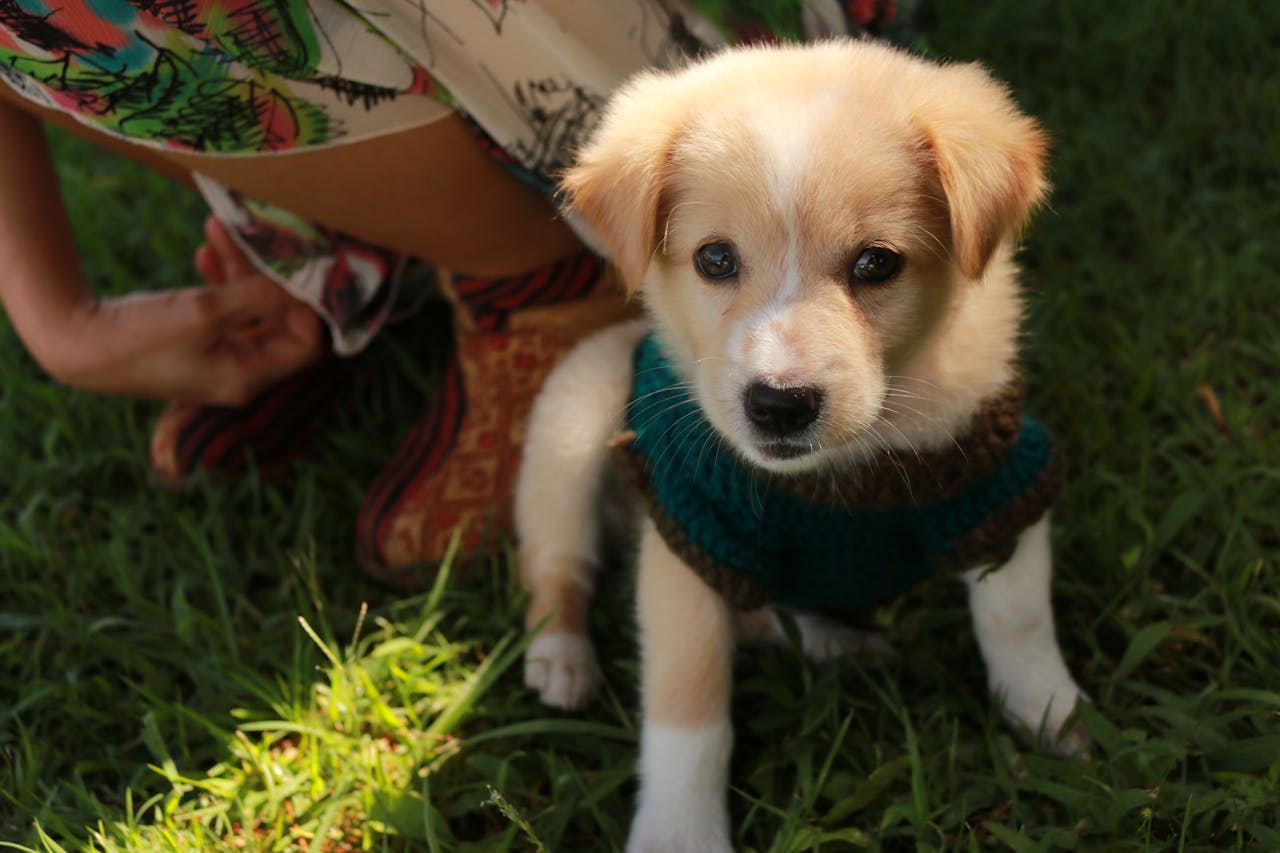
Bringing Your Puppy Home
Before They Arrive
Get the house ready before your puppy walks through the door. Choose a quiet corner for their crate, set up a feeding station, and gather the basics: a flat collar with ID tag, a 6-foot leash (San Francisco standard), a properly sized crate, food and water bowls, and a few simple chew toys. Walk through each room from a puppy’s eye level and remove anything you do not want chewed, swallowed, or peed on. Block off cords, secure laundry, and put houseplants out of reach.
The First Week
The first week is about routine, not training. Keep meals, naps, and bathroom breaks predictable. Most puppies need to go out every two to three hours during the day and immediately after eating, drinking, sleeping, or playing. Schedule your puppy’s first wellness visit at Urban Pet Hospital within the first three to five days at home, even if vaccines are not due yet. The veterinarian uses this visit to check overall health, review the vaccine timeline, and answer the questions every new owner has. Call (415) 400-5754 to book.
At-a-Glance Vaccine Schedule
Core vaccines protect against the most serious infectious diseases. Lifestyle vaccines are added based on your puppy’s risk and activities (see next section).
| Age | Vaccine | Type | Notes |
|---|---|---|---|
| 6 to 8 weeks | DA2PP (1st) | Core | Distemper, adenovirus, parvovirus, parainfluenza |
| 9 to 11 weeks | DA2PP (2nd) + Bordetella | Core + Lifestyle | Bordetella recommended before daycare or socialization classes |
| 12 to 14 weeks | DA2PP (3rd) + Leptospirosis (1st) | Core + Recommended in SF | Leptospirosis booster needed 3 to 4 weeks later |
| 14 to 16 weeks | DA2PP (4th) + Leptospirosis (2nd) + Rabies | Core + Rabies (California law) | Rabies required by California state law |
| 16 weeks + | Boosters per veterinarian’s plan | Maintenance | Annual boosters going forward |
Important Note on Lifestyle Vaccines
Some vaccines are not core but are strongly recommended based on your puppy’s exposure. In San Francisco, the most relevant lifestyle vaccines are:
- Leptospirosis: The Bay Area saw a surge in leptospirosis cases after recent heavy winter rains. Dogs are exposed through stagnant puddles, muddy parks, and wildlife urine (rats, raccoons, skunks). Any dog that walks in city parks, beach areas, or wetter neighborhoods is a candidate.
- Bordetella (kennel cough): Required by most daycares, boarding facilities, and group socialization classes. Recommended for any dog with regular dog-to-dog contact.
- Canine influenza: Outbreaks happen periodically in Bay Area daycare and boarding facilities. Discuss with the veterinarian if your puppy will be in those environments.
- Lyme disease: Tick exposure is present on local trails. Recommended for dogs that hike or visit wooded areas regularly.
Spay and Neuter
Spaying and neutering protect against unwanted litters, reduce the risk of certain cancers, and reduce hormone-driven behaviors. Timing depends on breed size. The team at Urban Pet Hospital performs every procedure with pre-anesthetic bloodwork, individualized anesthesia protocols, and continuous monitoring throughout the procedure.
| Breed Size | Typical Spay/Neuter Timing |
|---|---|
| Small (under 25 lb) | 6 to 9 months |
| Medium (25 to 50 lb) | 9 to 12 months |
| Large (50 to 90 lb) | 12 to 18 months |
| Giant (over 90 lb) | 18 to 24 months |
Talk with the veterinarian about timing for your specific puppy. Surgical care for dogs and cats is one of our priority services.
Nutrition for Your Puppy’s First Year
Look for puppy food that meets AAFCO nutritional standards for growth and is matched to your puppy’s projected adult size. Large and giant breed puppies need formulas specifically labeled for large breed growth to support healthy joint development. Feeding schedule by age:
- 6 to 12 weeks: Four meals per day
- 3 to 6 months: Three meals per day
- 6 to 12 months: Two meals per day
- 12+ months: Two meals per day (most dogs)
Puppies with specific health needs sometimes do better on therapeutic diets recommended by the veterinarian. Nutrition counseling is available at our clinic for owners who want a personalized feeding plan.
Parasites: What to Know
Puppies start parasite protection early. A typical schedule:
- Deworming: At 2, 4, 6, and 8 weeks of age, then per the veterinarian’s plan.
- Fleas and ticks: Year-round prevention starting as early as 8 weeks. San Francisco’s mild climate means fleas and ticks are a year-round concern, and 2026 is forecast to be a particularly active tick year.
- Heartworm: Less common in San Francisco than in southern California, but risk is rising and prevention is straightforward.
- Giardia: Present in stagnant water sources. Limit puddle drinking, especially after rain.
Some parasites can also affect people. Wash hands after handling stool and keep your puppy’s deworming schedule on track.
House Training
Predictable routines build a house-trained puppy faster than anything else. Take your puppy out first thing in the morning, after every meal, after every nap, after play sessions, and before bed. Praise them the moment they finish in the right spot. Accidents happen and are not a sign of bad behavior, just a sign that your puppy needs to go more often than you thought.
Crate training, when done gently, gives your puppy a safe, quiet space and supports house training. The crate should be just large enough for them to stand, turn around, and lie down comfortably. Never use the crate as a punishment.
Socialization and Cooperative Care
The critical socialization window for puppies is between 3 and 12 weeks of age. Gentle, positive exposure during this window shapes the adult dog. Expose your puppy to a wide variety of people, sounds, surfaces, handling, and well-vaccinated, friendly dogs. Keep all interactions positive and brief, never overwhelming.
Cooperative care techniques (touching paws, gently lifting lips, handling ears) make future veterinary visits and grooming sessions easier on everyone. Practice for a few seconds at a time, rewarding each step. Local puppy classes are a good supplement once your puppy has had at least two rounds of core vaccines.
Children and Other Pets
Children
Teach children to approach calmly, pet gently on the chest or under the chin (not the top of the head), and respect the puppy’s quiet space. Always supervise interactions between young children and puppies.
Other Dogs
Introductions on neutral ground work best. Both dogs on leash, parallel walks first, no face-to-face greetings on day one. Watch for body language: loose, wiggly, relaxed equals good; stiff, still, raised hackles equals slow down.
Cats
Give the cat the upper hand. Set up a baby gate so the cat has a puppy-free zone. Let the cat investigate at their own pace. Never force interactions. Most dog-cat households settle into harmony within weeks if introductions are managed patiently.
Foreign-Body Ingestion Hazards
Puppies explore the world with their mouths. The most common urgent care surgeries we see in puppies involve things they swallowed: socks, corn cobs, bones, rocks, hair ties, kids’ toys, and pieces of furniture. Watch for these signs of intestinal blockage:
- Repeated vomiting that does not stop
- Refusing to eat for more than 12 hours
- Lethargy or hunched posture
- Visible abdominal discomfort
- Lack of stool or straining without producing
If you suspect ingestion of anything unusual, call (415) 400-5754 right away. Same-day urgent care is available during clinic hours.
Holiday and Household Hazards
Common foods that are toxic to dogs:
- Chocolate, especially dark and baker’s chocolate
- Grapes and raisins (even small amounts)
- Xylitol (in sugar-free gum, peanut butter, baked goods)
- Onions, garlic, leeks, chives
- Macadamia nuts
- Cooked bones (splinter easily)
- Alcohol and caffeine
Common household items to keep out of reach:
- Sago palms (every part is highly toxic to dogs)
- Human pain relievers (especially acetaminophen and ibuprofen)
- Rodenticides (rat poison)
- Marijuana and edibles
- Antifreeze (sweet-tasting and deadly)
If your puppy ingests something potentially toxic, call the clinic or contact the ASPCA Animal Poison Control Center at (888) 426-4435.
Puppy Dental and Developmental Notes
Puppies have 28 deciduous (baby) teeth that begin falling out around 3 to 4 months as adult teeth come in. By 6 to 7 months, most puppies have all 42 adult teeth. Watch for these developmental issues:
- Retained deciduous teeth: Baby teeth that have not fallen out by 7 months may need extraction during spay or neuter to prevent crowding and dental disease.
- Malocclusion: An over-bite or under-bite that affects how the teeth align. Some are cosmetic, others affect comfort and require veterinary attention.
- Umbilical and inguinal hernias: Small openings at the belly button or groin. Many are repaired during the spay or neuter procedure.
- Cryptorchidism: One or both testicles have not descended by 6 months. Surgical correction is recommended because retained testicles have a higher cancer risk.
Dental exams are part of every wellness visit. Routine dental cleanings start once adult teeth are in.
Grooming Basics
Establish grooming routines early so your puppy learns that brushing, nail trims, and ear cleaning are normal. Daily handling builds tolerance. Coat type guides how often professional grooming is needed:
- Short coats: Weekly brushing, occasional bath
- Medium coats: Brushing 2 to 3 times per week, bath every 4 to 6 weeks
- Long or double coats: Brushing every day or every other day, professional grooming every 6 to 8 weeks
- Curly or non-shedding coats: Professional grooming every 4 to 6 weeks
Pets that struggle with grooming due to matting, anxiety, or age may benefit from medical grooming under veterinary supervision.
Local Health Notes
San Francisco has its own set of risks and rules that every new dog owner should know:
- Leptospirosis: 2026 has already seen a surge of cases in the Bay Area after a wet winter. Avoid stagnant puddles in city parks, and talk with the veterinarian about adding leptospirosis to your puppy’s vaccine plan.
- Coyotes in the Presidio: Coyotes are a real presence in Presidio open space, particularly in spring and summer. Keep your puppy on a 6-foot leash on Presidio Trust lands, especially on the Park Trail and the Bay Area Ridge Trail from April through October. Small dogs are most at risk.
- Off-leash beaches: Crissy Field has designated off-leash zones along the central beach and grassy airfield, and Fort Funston has off-leash access on the south portion of the beach. Voice and sight control are required. Most other San Francisco beaches require a 6-foot leash.
- Foxtails: The seed heads of dry grass become a hazard in late spring and summer. Check armpits, ears, between toes, and any hairy areas after walks in Lake Merced, the Presidio, or any grassy park.
- SF dog license: California state law and San Francisco bylaw require dogs over four months of age to be licensed. Apply through San Francisco Animal Care and Control.
- Marine hazards at Crissy Field: Watch out for kelp flies, dead marine animals washed up after storms, and jellyfish on the sand. Discourage drinking salt water.
Low-Stress Veterinary Visits
Before the Visit
Practice short, positive car rides. Bring a hungry puppy if appointments allow. Pack high-value treats and a favorite toy. If your puppy is anxious, let us know in advance so we can plan extra time or a quieter exam room.
In the Clinic
Walk in calmly. Allow your puppy to sniff and explore the lobby. Our team uses treats, gentle handling, and slow introductions. We can pause anytime your puppy needs a break.
Happy Visits
Drop by Urban Pet Hospital between appointments just to say hello. Treats, a quick weight check, and a positive experience without any vaccines or procedures help your puppy build a positive association with us. Just call ahead to make sure the team is ready.
When to Contact Us
Call Urban Pet Hospital at (415) 400-5754 whenever you have a question or concern about your puppy. We are open seven days a week from 8am to 8pm.
Contact Us Same Day For
- Vomiting or diarrhea that does not stop within 12 hours
- Refusing food for more than 12 hours
- Suspected ingestion of toxic food, plants, or household items
- Suspected ingestion of a foreign object (sock, bone, toy)
- Difficulty breathing, blue-tinged gums, or collapse
- Seizure activity
- Severe limping or inability to bear weight
- Sudden facial swelling or hives
- Bite wounds from another animal
Schedule a Routine Appointment For
- Vaccine boosters per the recommended schedule
- Wellness exams and growth checks
- Spay or neuter consult when appropriate for breed size
- Nutrition or weight questions
- Behavior or training questions
- Routine dental exams
Pet Insurance
Purchase pet insurance before your puppy’s first wellness visit if possible. Most policies do not cover conditions diagnosed before enrollment, so the earlier you sign up, the more coverage your puppy will have over their lifetime. The following providers are available in the United States and are offered as a general educational reference (not an endorsement):
- Trupanion
- Healthy Paws
- Spot
- Fetch by The Dodo (formerly Petplan)
- ASPCA Pet Insurance
- Figo
Urban Pet Hospital accepts most major pet insurance plans and offers direct billing with one provider.
Frequently Asked Questions
When should my puppy get their first set of vaccines in San Francisco?
Most puppies begin their core vaccine series between 6 and 8 weeks of age. The DA2PP combination starts then and is boostered every 3 to 4 weeks until the puppy is at least 16 weeks old. Rabies is given at 14 to 16 weeks per California state law. Call Urban Pet Hospital at (415) 400-5754 to schedule your puppy’s first wellness visit.
What is the best age to spay or neuter my puppy?
Timing depends on breed size. Small breeds are typically spayed or neutered between 6 and 9 months, while large and giant breeds often benefit from waiting 12 to 24 months for skeletal development. The veterinarian recommends timing based on your specific puppy’s breed, lifestyle, and overall health.
Is the leptospirosis vaccine really necessary for a San Francisco puppy?
For most San Francisco dogs, yes. The Bay Area has seen a surge in leptospirosis cases in 2026 following heavy winter rains. Dogs are exposed through stagnant puddles, muddy parks, and wildlife urine. The vaccine is given as a series of two initial doses followed by an annual booster.
How do I protect my puppy from intestinal parasites?
Routine deworming during puppyhood (typically at 2, 4, 6, and 8 weeks) combined with monthly parasite prevention from 8 weeks onward keeps most parasites under control. Annual fecal testing catches what is not visible. Some intestinal parasites can pass to people, so good hand hygiene matters.
What food should I feed my new puppy?
Look for a puppy food that meets AAFCO standards for growth and is matched to your puppy’s projected adult size. Large breed puppies need formulas specifically labeled for large breed growth. Avoid grain-free formulas unless recommended by the veterinarian. A nutrition consult helps narrow the right choice.
Can I take my puppy to a Marina District park before all their vaccines are done?
It is best to wait until your puppy has had at least two rounds of core vaccines before visiting public off-leash areas, especially in places where many dogs gather. Until then, stick to your own backyard and well-controlled puppy class environments. Carry your puppy through busy outdoor areas if you must take them along.
My puppy is a small breed — does the spay or neuter timeline change?
Yes. Small breed puppies often grow into their adult skeletal size by 6 to 9 months, so spaying or neutering at that age is typical. Larger breeds benefit from waiting longer. The veterinarian reviews your specific puppy’s breed and growth at each wellness visit and recommends timing.
Contact Urban Pet Hospital
Urban Pet Hospital
2308 Lombard St, San Francisco, CA 94123
Phone: (415) 400-5754
Email: info@sfurbanpethospital.com
Hours: Every day, 8am to 8pm
Disclaimer
This guide is intended for general educational purposes only and does not constitute veterinary medical advice. Always consult a licensed veterinarian for your pet’s individual health needs. Local conditions, recommendations, and regulations may change over time. Speak with the team at Urban Pet Hospital for guidance specific to your puppy.