
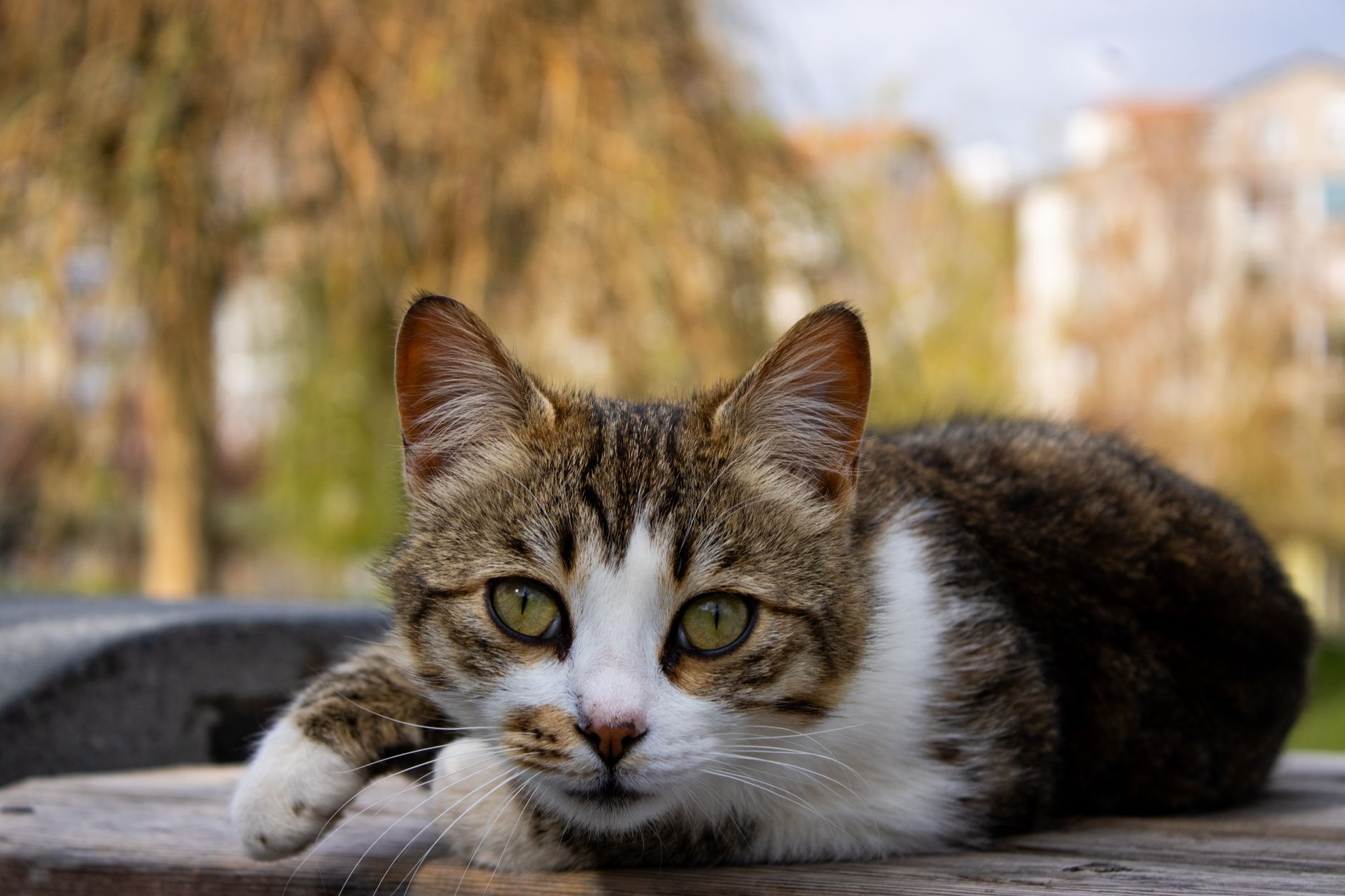
Kitten-proofing your San Francisco apartment means turning a busy city home into a safe space before a curious new kitten arrives. Summer brings open windows, warm balconies, and more foot traffic through the door, all of which raise the risk of falls, escapes, and swallowed objects. This guide from Urban Pet Hospital walks you through the hazards that matter most in a compact San Francisco flat.
Why Kitten-Proofing Matters More in a City Apartment
Kittens are small, fast, and endlessly curious, and a San Francisco apartment gives them plenty of places to explore and hide. Unlike a suburban house with a fenced yard, a city flat often sits several stories up, shares walls and stairwells with neighbors, and opens onto sidewalks, garages, or shared lobbies. A single open door or unscreened window can turn a playful dash into an emergency. The good news is that most apartment hazards are easy to manage once you know where to look.
Cats are the second most common patient we see at Urban Pet Hospital, and many first-year kitten emergencies trace back to the home environment rather than illness. Walking through your space from a kitten’s point of view, low to the floor and drawn to anything that moves, dangles, or smells interesting, is the single most useful thing you can do before your kitten comes home.
Window, Balcony, and Fire-Escape Safety
San Francisco apartments are full of tall windows, bay windows, balconies, and fire escapes, and summer is when we tend to open all of them. Cats do not have a reliable sense of height danger, and a kitten that leaps at a passing bird or loses its footing on a narrow ledge can fall. Veterinarians see a seasonal pattern of fall injuries every warm-weather stretch, sometimes called high-rise syndrome, and it is entirely preventable.
- Fit sturdy screens on every window your kitten can reach, and check that existing screens are tight in their frames and free of gaps or tears.
- Never rely on a screen alone to hold a kitten’s weight. Use window stops so windows open only a few inches, too narrow for a kitten to squeeze through.
- Treat balconies and fire escapes as off-limits unless fully enclosed. Railings and gaps are wide enough for a small kitten to slip between.
- Keep furniture, shelves, and cat trees away from open windows so your kitten cannot use them as a launch pad.
If your kitten does take a fall, even from a modest height, call Urban Pet Hospital right away. Internal injuries are not always visible, and a prompt exam through our urgent care team is the safest response.
Hidden Household Hazards to Remove First
Small apartments pack a lot of tempting objects into a little space, and a kitten will find the ones you overlook. Before your kitten arrives, do a slow sweep of each room at floor level and clear or secure the items below.
- Lilies and several other common houseplants are highly toxic to cats. Even a nibble or a lick of pollen can cause serious harm, so keep lilies out of the home entirely.
- String, ribbon, hair ties, dental floss, and yarn look like toys but can cause a dangerous intestinal blockage if swallowed. Store them in closed drawers.
- Electrical and charger cords invite chewing. Bundle them, run them behind furniture, or use cord covers.
- Cleaning products, medications, and essential oils belong in latched cabinets well out of reach.
- Recliners, sofa beds, and washer and dryer doors are common hiding spots. Check inside before closing or reclining anything.
Summer adds a few extras worth watching, including screened-off open windows, warm surfaces near sunny sills, and the increased traffic of houseguests who may leave doors open. If your kitten swallows something it should not have, our pet diagnostics team can help us find out what is going on quickly.
Setting Up Litter and Safe Zones in a Small Space
Litter box placement is trickier in a studio or one-bedroom than in a large home, but the basic rules still hold. Give your kitten a quiet, low-traffic corner for the litter box, and keep food and water on the opposite side of the room. Cats dislike eating next to where they toileted, and crowding everything together can lead to accidents.
- Choose a low-sided litter box a small kitten can climb into easily, and place it away from noisy appliances that might startle a nervous newcomer.
- Start your kitten in one small, secure room, such as a bathroom or a quiet corner, so the space never feels overwhelming.
- Offer a scratching post and a covered hiding spot from day one. Vertical space and a place to retreat help a kitten feel safe in a busy apartment.
- Scoop the litter box daily. Small spaces mean odor and cleanliness are noticed fast, and a clean box supports good litter habits.
A kitten that has its own safe zone settles faster and is less likely to bolt for an open door. As your kitten grows more confident, you can gradually open up the rest of the apartment room by room.
Socialization and Enrichment Without a Yard
City kittens do not need a backyard to grow into confident, well-adjusted cats, but they do need daily interaction and mental stimulation. Short, gentle play sessions with wand toys build coordination and burn off the energy that might otherwise go into climbing curtains or testing that open window. Rotate a small set of toys to keep things novel in a limited space.
Introduce your kitten calmly to household sounds, visitors, and gentle handling of the paws, ears, and mouth. This early, positive exposure makes future grooming and veterinary visits far less stressful. Nutrition supports all of this growth, and our nutrition counseling team can help you choose a kitten food that matches your cat’s needs during this fast-growing first year.
Your First Visit to Urban Pet Hospital
Once your kitten is home and settled, schedule a first wellness visit with Urban Pet Hospital. An early exam lets our veterinarians check for parasites, review the vaccine and deworming timeline, and answer the questions that come up in those first weeks. Bringing a new kitten into a San Francisco apartment is a big change, and having a veterinary team you trust makes it easier.
Our medical services team can build a care plan tailored to your kitten’s age, lifestyle, and home. If you have any concerns about a hazard your kitten may have encountered, or you simply want a proofing checklist reviewed, contact Urban Pet Hospital and our team will be glad to help.
Frequently Asked Questions
How do I keep my kitten safe near San Francisco apartment windows in summer?
Fit tight, sturdy screens on every reachable window and add window stops so they open only a few inches. Cats do not judge heights well, so never rely on a screen alone, and treat balconies and fire escapes as off-limits unless fully enclosed. Keep furniture away from open windows so your kitten cannot climb up and jump.
Which common apartment items are most dangerous to a new kitten?
Lilies and many houseplants are toxic to cats, and string, ribbon, hair ties, and floss can cause intestinal blockages if swallowed. Secure electrical cords, latch away cleaning products and medications, and check recliners and appliance doors before use, since kittens love to hide in them.
Where should I put the litter box in a small San Francisco apartment?
Place the litter box in a quiet, low-traffic corner, away from your kitten’s food and water and from noisy appliances. Use a low-sided box a small kitten can enter easily, scoop it daily, and start your kitten in one secure room before opening up the rest of the apartment.
When should my new kitten see the veterinarian at Urban Pet Hospital?
Schedule a first wellness visit soon after your kitten comes home, ideally within the first few days. An early exam lets our veterinarians check for parasites, review the vaccine and deworming schedule, and address any hazards your kitten may have encountered in your apartment. Contact Urban Pet Hospital to book an appointment.