
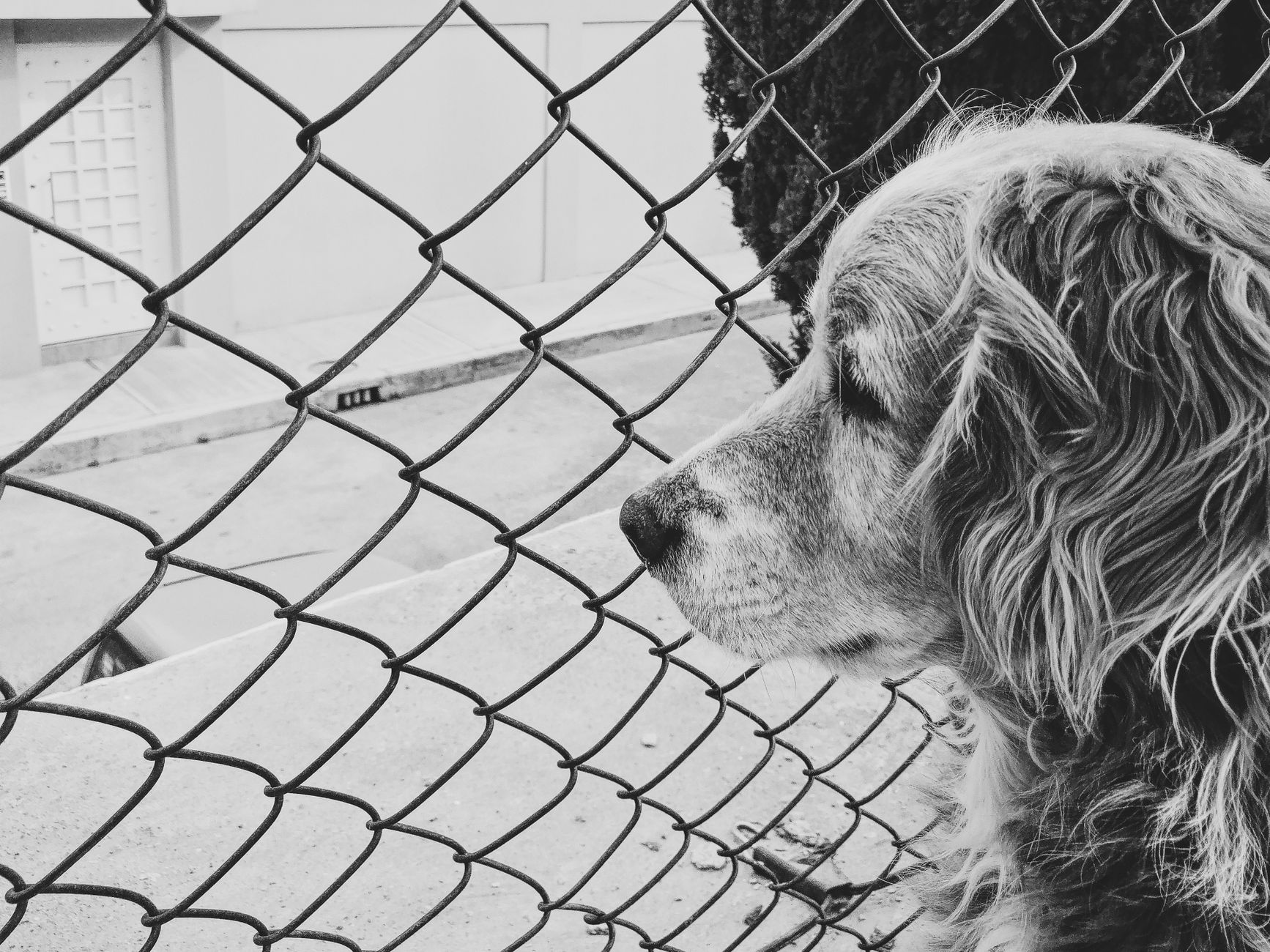
Coyotes live in the Presidio and travel along its edges, including the Crissy Field side of the Marina. In fall, young coyotes leave their families to find territory of their own, so sightings rise in unexpected places. Keep dogs leashed at dawn and dusk, keep cats in at night, and never feed or approach a coyote.
Why fall brings more sightings
Coyotes returned to San Francisco in the early 2000s, and the Presidio was one of the first places they settled. They are now part of city life, mostly unseen, eating rodents, fallen fruit and whatever people leave out.
Pups are born in spring and stay with their parents through summer. By fall they are nearly full grown, and many set off on their own to find a territory. These young coyotes are inexperienced and sometimes bold, and they wander through places where adults would not linger, including streets, school yards and small parks.
That is why owners who have walked the same Marina route for years suddenly start seeing coyotes in the fall.
When and where you are most likely to meet one
- Dawn and dusk. Coyotes are most active in low light, which lines up with the first and last walks of the day.
- The edges of the Presidio. Trails, wooded areas and the open ground around them are home ground.
- Crissy Field early in the morning, before the crowds arrive.
- Quiet streets late at night, during the last bathroom walk of the evening.
What a coyote is doing when it watches or follows you
Most coyotes want nothing to do with people. A coyote that stops and looks at you is usually curious, deciding whether you are a threat.
Coyotes see dogs differently. A large dog can look like a competitor, and a coyote may follow at a distance to move it out of what it considers its space. This is sometimes called escorting, and it can be unnerving, but it usually ends once you leave the area. Small dogs and cats are a different matter, because to a coyote they can look like prey.
If you meet a coyote on a walk
- Shorten the leash, or pick up a small dog. Do this calmly and early, before the coyote gets close.
- Do not run. Running can trigger a chase.
- Stand tall and face the coyote.
- Make yourself big and loud if it comes closer. Wave your arms, raise your voice, clap, or shake a jacket. The aim is to make the coyote decide you are not worth the trouble.
- Back away slowly without turning your back, keeping the coyote in view.
- Leave the area, and walk a different route for the next few days.
If a coyote approaches repeatedly, follows closely, or does not back off when you make noise, report it. The Presidio Trust takes reports for the Presidio, the National Park Service manages Crissy Field, and San Francisco Animal Care and Control covers city streets and parks. Reports help track animals that have lost their wariness of people.
Small dogs and cats in the Marina
- Keep cats indoors from dusk to dawn, and ideally indoors altogether. A cat on a back fence at night is exposed.
- Stay with small dogs in backyards and on patios, especially after dark. Coyotes can climb and jump more than most people expect.
- Use a short, non-retractable leash on walks, so your dog is always within reach.
- Carry a flashlight on early and late walks. Seeing eyes in the dark gives you time to change direction.
Around your home
Coyotes follow food. Keep pet food and water bowls inside, use lidded trash and compost bins, pick up fallen fruit, and clean up birdseed, which draws the rodents coyotes hunt. Never feed a coyote, even from a distance. Fed coyotes lose their caution, and that is how conflicts start.
The same leash habits that keep coyote meetings calm also help with other dogs on busy sidewalks, and our guide to dog bite prevention and safe greetings in the Marina covers those encounters.
After an encounter: check your dog
Even a brief scuffle can leave wounds hidden under the fur. Wearing gloves if you have them, run your hands over your dog’s neck, chest, legs and belly and look for punctures, scrapes or tender spots. Puncture wounds often look tiny on the surface but can be deep and become infected underneath, so they need to be seen the same day. Some bites need cleaning and repair under sedation by our surgical services team.
Our urgent care team sees bite wounds every day of the week until 8:00 PM. After that, go to the nearest open emergency hospital. Rabies is uncommon in coyotes here, but a bite from any wild animal counts as a possible rabies exposure. We will check your dog’s vaccination status at that visit, and a booster may be advised even if your dog is current. Keeping vaccinations up to date beforehand makes that follow-up simpler, and our pet care services team can check records at any time.
Frequently asked questions
Are coyotes dangerous to people?
Attacks on people are rare. The main risks are to small pets and to dogs who chase or confront a coyote. Keep your distance, never feed them, and supervise young children in areas where coyotes are seen.
Is my large dog at risk?
Large dogs are rarely seen as prey, but a coyote may confront a dog that approaches it, particularly near a den or a territory boundary. Keep large dogs leashed where coyotes are active and call them away rather than letting them chase.
A coyote followed us for a block. What should I do next time?
Stop, face it, make yourself big and loud, and then back away slowly without turning your back. Choose a different route for a while. If it keeps happening in the same spot, report it.
My cat likes to go out at night. Can she keep doing that?
We would recommend against it in the Marina. Cats are vulnerable to coyotes, cars and other hazards at night. Bringing her in by dusk, with plenty of play and enrichment indoors, is the safer choice.
Should I carry anything on walks?
A flashlight for early and late walks, and something that makes noise, such as a whistle. Most of the time your voice and a confident posture are enough.
My dog was bitten, but the wound looks tiny. Can it wait?
No. Small punctures from animal teeth often hide deeper damage. Have your dog seen the same day, and bring vaccination records if you have them.
Speak to the team at Urban Pet Hospital
If your dog or cat has had a run-in with a coyote, phone us or walk in, and after 8:00 PM go to the nearest open emergency hospital.
Published by the team at Urban Pet Hospital.
This article is for general educational purposes only and is not a substitute for an in-person veterinary examination or advice about your individual pet. If you have an urgent concern about your pet, contact Urban Pet Hospital or your nearest emergency veterinary hospital right away.
Urban Pet Hospital
2308 Lombard St, San Francisco, CA 94123
Phone: (415) 400-5754
Email: info@sfurbanpethospital.com
Hours: Open every day, 8:00 AM to 8:00 PM